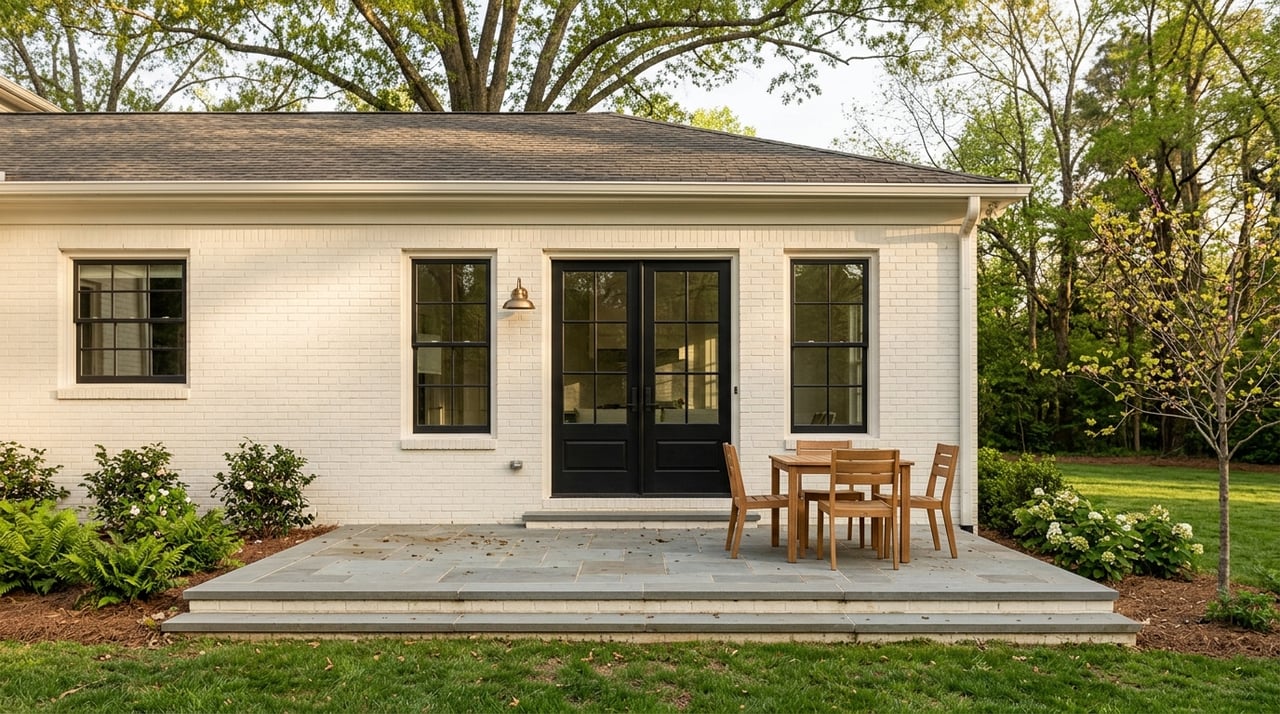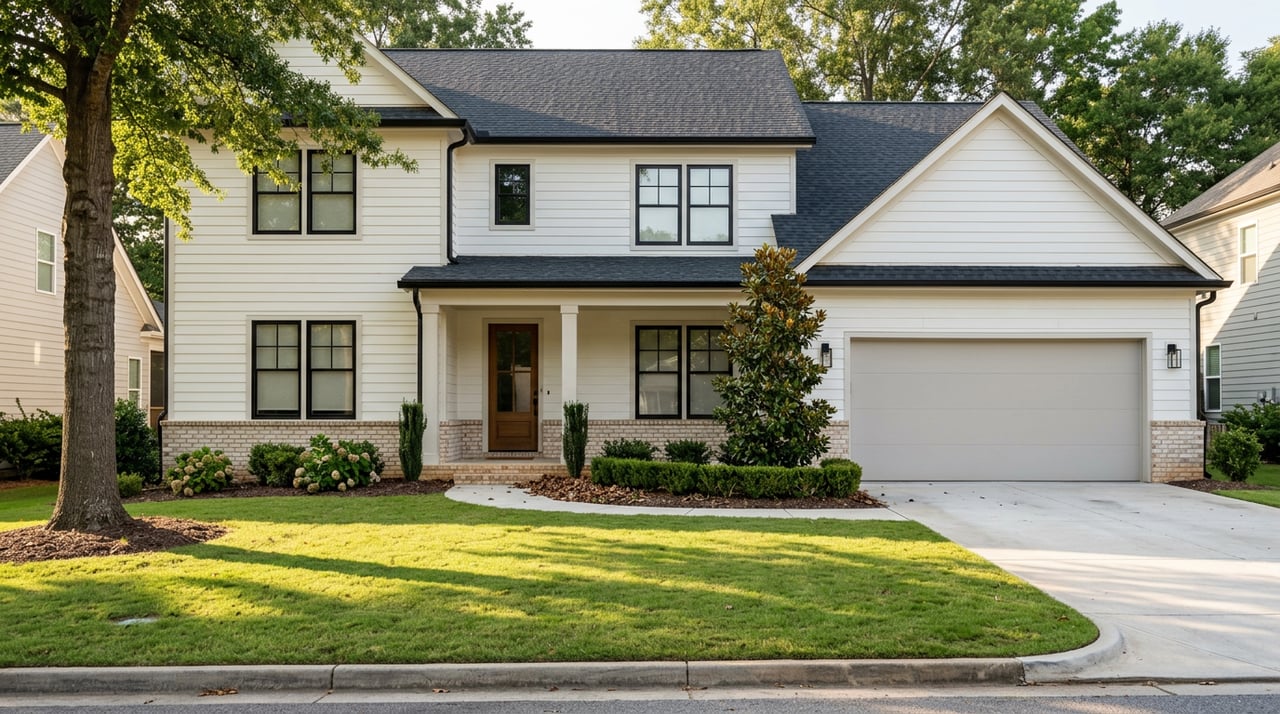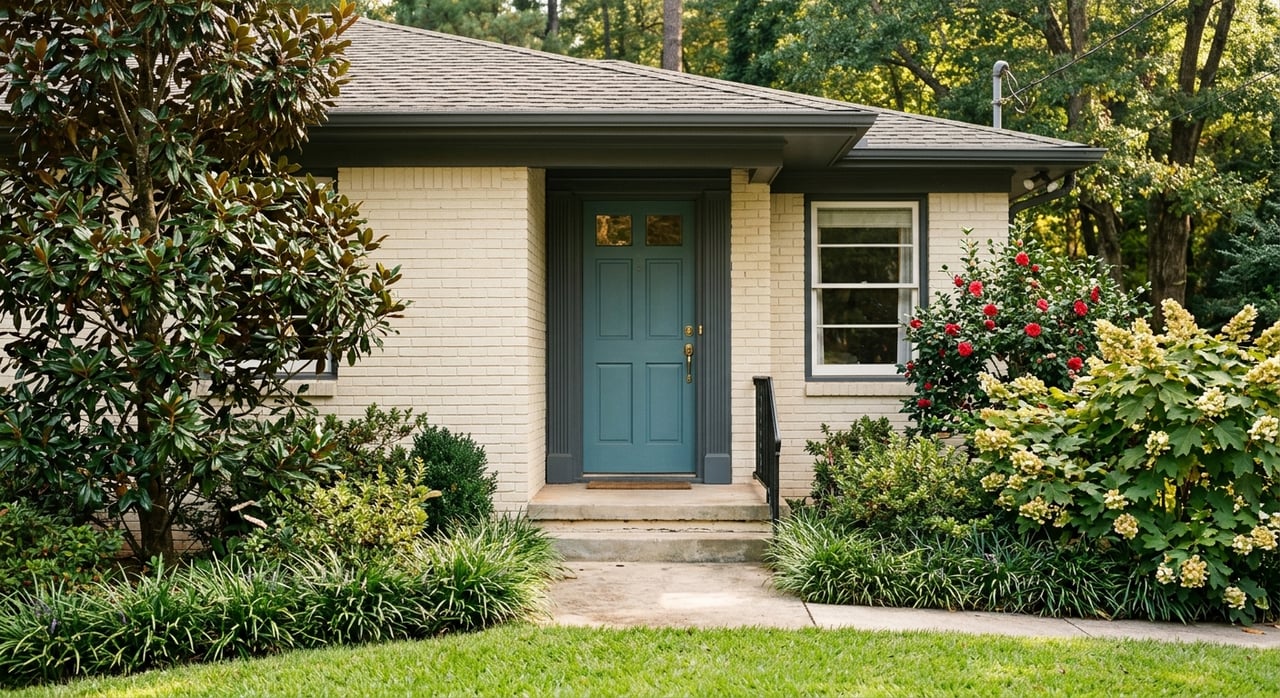
If you love the idea of living in Downtown Cary, you may also be wondering how much home you can shape over time. That is a smart question in 27511, where older homes, newer infill, and mixed-use development can create very different renovation paths. When you know what to look for before you buy, you can focus on properties with real upside and avoid the ones that could drain your budget. Let’s dive in.
Downtown Cary Housing Basics
Downtown Cary sits within the broader 27511 ZIP code, which had 33,221 residents, 14,557 housing units, and a median owner-occupied home value of $456,000 in the latest ACS 2024 5-year data from Census Reporter. That gives you useful market context, but it does not tell the full story of the downtown core.
In Downtown Cary itself, you are looking at a more compact, high-value area with a mix of older detached homes and newer infill. The Downtown Cary National Register Historic District is 18 acres and includes thirty historic dwellings, outbuildings, and the Old Cary High School building, with a period of significance from 1890 to 1945.
For you as a buyer, that usually means one of three property types: an older detached home near the historic core, a newer multifamily residence in a mixed-use setting, or a detached home with a lot that may support future expansion or an ADU. The right fit depends on whether your goal is charm, convenience, flexibility, or a mix of all three.
What Renovation Potential Really Means
Renovation potential is not just about whether a house looks dated. In Downtown Cary, it is more about how easily you can improve the home, whether the lot gives you future options, and how much hidden work may be waiting behind the walls.
A good candidate often has solid bones, a manageable scope, and room for improvements that add function as well as style. A weaker candidate may look affordable at first, but require structural repairs, code corrections, or extensive permitting before you can even start the updates you actually want.
This is where having a builder-and-design lens matters. The goal is not simply to find a house you can renovate. It is to find one you can renovate strategically.
Homes That Usually Make Sense
Cosmetic projects are the simplest
If you want a home you can improve quickly, cosmetic work is often the easiest place to start. According to Cary’s residential permit guidance, non-structural work like floor and wall coverings, molding and trim, cabinets and casework, and roof coverings using the same materials generally do not require a building permit.
That can make an older Downtown Cary home especially appealing if the layout already works for you. In that scenario, you may be able to refresh the look and feel of the home without taking on a long, complex project.
Moderate layout updates can add value
Some homes become much more livable with smart layout changes, such as opening a kitchen, converting underused space, or improving flow between rooms. These upgrades can be worth it, but they are not cosmetic.
Cary requires permits for alterations, repairs, additions, demolition, and plumbing, mechanical, and electrical work. If your vision involves removing walls, enclosing a porch, or adding square footage, treat that home like a true renovation project from day one.
Energy upgrades can improve daily living
Older homes often need more than pretty finishes. In many cases, comfort and operating costs matter just as much.
ENERGY STAR identifies heat pump HVAC, water heating, insulation, and high-efficiency windows as high-impact upgrades for many homes. The U.S. Department of Energy also notes that insulation and air sealing can reduce air leakage, improve comfort, and lower utility bills. In Downtown Cary, that can be especially relevant if you are considering an early-20th-century home.
ADU potential can change the equation
If the lot is part of your long-term plan, look closely at whether the property may support an accessory dwelling unit. Cary now allows ADUs in all residential zoning districts where detached dwellings are allowed.
That does not mean every lot will work. Setbacks, HOA rules, lot shape, and building code still matter. Still, for the right property, future ADU potential can turn a simple home purchase into a more flexible long-term investment.
Red Flags That Can Get Expensive
The biggest risk in a renovation purchase is usually not old finishes. It is hidden structural, mechanical, or code-related work.
Cary’s unpermitted work guide lists common problem areas such as altered load-bearing walls, roof dormers, inadequate footings or foundations, egress issues, stair headroom violations, deficient insulation, plumbing venting defects, duct insulation problems, and electrical code issues. These are the kinds of surprises that can change your budget fast.
Pay especially close attention if a home has enclosed porches, added rooms, or other visible modifications. Those changes may be perfectly fine, or they may lead to permit questions, engineering requirements, licensed contractor work, or even partial demolition before your real renovation can begin.
Historic Status Matters More Than Age
Many buyers assume any older home in Downtown Cary will come with strict historic rules. That is not always the case.
Cary explains that the National Register designation is honorary and does not, by itself, prohibit owners from altering or demolishing a property. That is different from a local Historic Landmark, where major alterations or demolition are reviewed by the Historic Preservation Commission through a Certificate of Appropriateness process.
So if you are considering an older home, one of the most important questions is not just, "How old is it?" It is, "Is it a designated local landmark or otherwise subject to added review?" That distinction can affect your project timeline, exterior choices, and total renovation cost.
A Smart Filter for Buyers
If you are buying in Downtown Cary with renovation potential in mind, a practical filter can help you stay focused.
Look for homes that offer:
- A sound structure
- A renovation scope that is mostly cosmetic or moderately scaled
- A layout that can work now or improve with permitted changes
- A lot with usable space for future expansion or ADU planning
- Fewer signs of prior unpermitted work
Use extra caution with homes that appear to need:
- Major structural correction
- Full mechanical or electrical overhaul
- Extensive code remediation
- Heavy reliance on unknown past additions or conversions
- A budget that only works if hidden issues do not exist
The difference between a promising project and a money pit is often simple. One lets you invest in design, function, and comfort. The other forces you to spend heavily just to make the home safe, compliant, and insurable.
Why Local Guidance Helps
Downtown Cary can be a rewarding place to buy, especially if you want character, walkability, and the chance to personalize your space over time. But the right purchase depends on seeing beyond finishes and understanding how age, lot utility, permitting, and historic status all fit together.
That is where a more informed buying strategy can protect both your budget and your future plans. When you evaluate homes through the lens of design, construction, and resale value at the same time, you are much more likely to buy with confidence.
If you are exploring homes in Downtown Cary and want a clear, renovation-minded strategy, Angie Murphy can help you evaluate the right opportunities with a practical eye for design, construction, and long-term value.
FAQs
What types of homes can you find in Downtown Cary with renovation potential?
- In Downtown Cary, you are most likely to find older detached homes near the historic core, newer multifamily residences in mixed-use projects, or detached homes with lot flexibility for future additions or ADUs.
What home updates in Cary usually do not require a permit?
- Cary says non-structural cosmetic work such as flooring, wall coverings, molding and trim, cabinets and casework, and roof coverings with the same materials generally do not require a building permit.
What renovation issues should buyers watch for in older Downtown Cary homes?
- Buyers should watch for hidden structural changes, code problems, unpermitted additions, egress issues, foundation concerns, and outdated plumbing, HVAC, or electrical work.
What is the difference between National Register status and local landmark status in Cary?
- A National Register listing is honorary and does not automatically restrict changes, while a local Historic Landmark may require Historic Preservation Commission review for major exterior alterations or demolition.
Can you build an ADU on a property in Cary?
- Cary allows ADUs in residential zoning districts where detached dwellings are allowed, but setbacks, HOA rules, lot shape, and North Carolina building code still apply.