Relocating for work can make every housing decision feel more urgent. You want a home that supports your commute, fits your routine, and does not create extra stress once you arrive. If you are considering Downtown Cary in 27511, this guide will help you weigh commute access, housing types, and the move-in-ready versus light-renovation tradeoff so you can choose with more confidence. Let’s dive in.
Why Downtown Cary works for commuters
Downtown Cary offers something many relocation buyers want right away: options. The area around Academy, Chatham, Walker, Park, and Walnut Streets functions as a live, work, and recreate district within Cary’s core, which means your home search can focus on both daily convenience and long-term lifestyle.
If you will be driving, the commute picture is straightforward. Downtown Cary is about a 20-minute drive to Raleigh and about a 20-minute drive to RDU, according to the town’s downtown information. That makes it a practical base if your job requires regular airport access, office visits, or a mix of in-person and hybrid work.
Transit is also a real consideration here, not just a nice extra. Cary Depot at 211 N. Academy Street is served daily by three Amtrak lines, and both GoCary and GoTriangle serve the area. GoCary currently operates nine fixed routes plus a Downtown Loop that connects Cary Town Hall, Downtown Cary Park, and Chatham Street between the roundabouts.
For regional travel, GoTriangle connects Cary to places like downtown Raleigh, Durham, Chapel Hill, NC State, RDU, the Regional Transit Center, and Wake Tech RTP. GoTriangle also lists the Cary Depot as a free park-and-ride served by Routes 300 and 310. If your work is in or near the Triangle’s major employment hubs, that gives you more than one way to structure your commute.
What daily life feels like
A relocation move is not only about getting to work. It is also about how your day feels before and after work, especially when you are settling into a new area.
Downtown Cary Park adds a meaningful lifestyle benefit. The town describes it as a 7-acre park with trails, public spaces, events, and programming, which supports the walkable feel many buyers want when choosing a downtown setting. If you value being able to step out for a walk, meet friends nearby, or enjoy public events without a long drive, that feature matters.
Parking is also easier than many buyers expect in a downtown environment. The town says Downtown Cary has more than 2,000 free parking spaces, including decks on Cedar Street, Walnut Street, Town Hall, and Academy Street. For buyers touring from out of town, that can make a big difference when you are trying to fit several showings into one day.
What kinds of homes you will find
If you picture Downtown Cary as only one type of housing, you may miss good options. The 27511 area includes a mix of attached downtown residences, older neighborhoods near the core, and detached homes farther out.
Across Cary as a whole, public data shows a market with strong ownership and relatively high home values. Census QuickFacts reports an owner-occupied housing rate of 66.6%, a median owner-occupied home value of $580,200, and a median gross rent of $1,738 for 2020 through 2024. The town’s 2025-2030 draft Consolidated Plan shows slightly different numbers from a different data period, but the overall takeaway is the same: Cary is a high-demand, high-cost market.
The housing mix is still led by detached homes townwide, but that does not tell the full Downtown Cary story. Cary’s draft Consolidated Plan says the town’s housing supply is 73% single-family and 27% multi-unit. In and around downtown, planning guidance and current development activity point toward a higher share of condos, apartments, townhome-style homes, and mixed-use residences than you would typically find in detached-home neighborhoods farther from the core.
What mixed-use means in Downtown Cary
Mixed-use is an important term to understand if you are relocating here. In Cary’s planning guidance, Chatham Street is envisioned as downtown’s main commercial corridor with vertically mixed-use buildings that place retail, dining, and office uses on the ground floor and residences above.
In practical terms, that can mean living in a building or district where your home is part of a more active streetscape. You may have businesses at street level, shared parking structures nearby, and a more urban feel than in a traditional subdivision. For some buyers, that is exactly the appeal. For others, it is a cue to compare privacy, storage, parking, and layout more carefully.
Current projects support that pattern. The 2026 State of Cary says Meridian East will include 220 residential units with ground-floor retail, and Meridian Cary is planned with three buildings, including 195 multifamily units and a parking deck. That ongoing development reinforces the idea that downtown living here increasingly includes newer attached and mixed-use housing choices.
Older homes versus newer options
Age matters in 27511, especially if you are moving on a tight timeline. Cary’s draft Consolidated Plan says more than half of the town’s housing units were built before 2000, and older housing is concentrated near Cary’s core.
That can be a positive if you want an established setting or a home with character. It can also mean you need to budget for reinvestment. The same plan notes that older neighborhoods inside the Maynard Loop have a higher concentration of homes that are 30 to 50 years old and are more likely to need significant repairs.
From a relocation standpoint, this is where strategy matters most. A newer condo, townhome, or infill residence may offer a simpler landing if your work start date is fixed and you want fewer maintenance unknowns. An older home near downtown may give you a strong location and potentially more space, but you will want a realistic view of systems, updates, and future costs.
When move-in-ready makes sense
Move-in-ready homes often make the most sense when your schedule leaves little room for project management. If you are relocating for a new role, managing a major renovation right after closing can be more than an inconvenience. It can quickly become a second job.
In Downtown Cary, move-in-ready often points buyers toward newer construction, updated condos, or recently improved properties. These homes may come with shorter maintenance lists and fewer immediate decisions. That can be especially valuable if you are buying from a distance and want a smoother transition.
You may also decide that paying more for a turnkey home is worth it if commute efficiency is your top priority. If the home lets you simplify your daily routine and avoid months of repair planning, that premium can feel justified in a high-demand market.
When a light-renovation home is worth considering
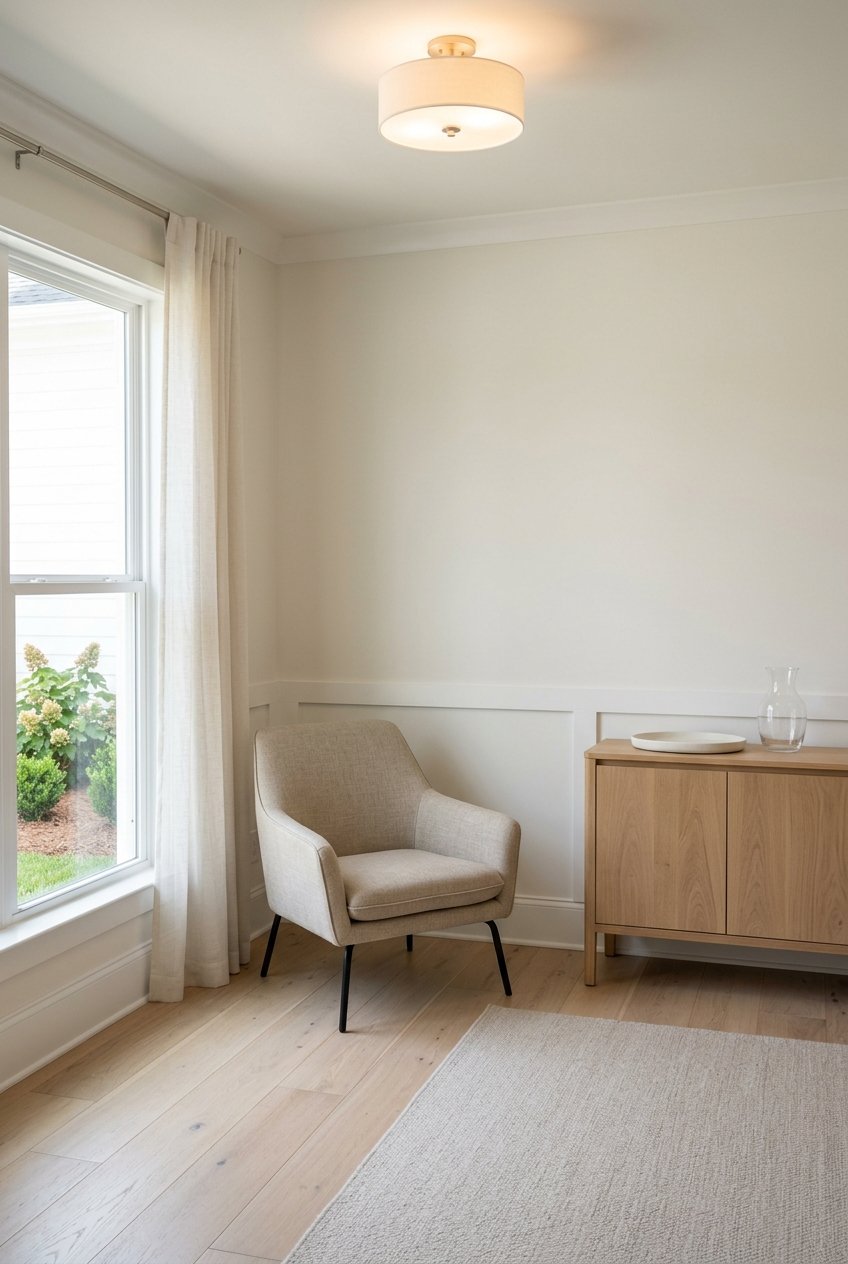
A light-renovation home can still be a smart purchase if you stay disciplined about what “light” really means. Cosmetic updates such as paint, flooring, lighting, and selected design changes are very different from replacing core systems.
Cary’s housing plan specifically warns that aging systems such as roofing, electrical, heating and cooling, and plumbing can drive future costs. So if an older home needs more than surface-level updates, your budget should reflect more than aesthetic improvements. The best opportunities are often homes where the location works, the layout works, and the needed updates are manageable.
This is where a builder-and-designer perspective can help. When you can separate cosmetic changes from structural or systems-related risk, it becomes easier to judge whether a home is a smart compromise or an expensive distraction.
How to balance commute, condition, and space
Most relocation buyers do not get every variable in perfect form. In Cary’s higher-cost market, you will usually balance condition, size, and location rather than maximizing all three at once.
A smaller home close to transit, downtown amenities, and your likely commute path may fit your life better than a larger home that adds daily driving time. On the other hand, if you work remotely most days, a little more distance from the core might open the door to a different home style or more square footage.
The key is to decide what creates stress for you and what creates value. If your work schedule is demanding, reducing commute friction and repair risk may matter more than gaining an extra room. If flexibility matters more than speed, an older home with solid fundamentals may be worth a closer look.
Buying from a distance in North Carolina
For relocation buyers, North Carolina’s due diligence process is one of the most important parts of the purchase. The due diligence period is a negotiated window when you can investigate the property, terminate for any reason or no reason, and receive a refund of earnest money. There is no standard due diligence length, so the right timeline depends on your financing, travel schedule, and the property itself.
This period should be long enough for inspections, repair negotiations, financing, and appraisal. If you are moving from out of town, that usually means building in enough time to review reports carefully and make decisions before the deadline. If you are not satisfied before that deadline, you would need to either extend the due diligence period in writing or terminate.
North Carolina also regulates home inspections. The Office of State Fire Marshal says licensed home inspectors must provide a written report by the agreed date or, if no date is specified, within three business days after the inspection. That timeline matters when you are trying to keep a relocation move on track.
A practical relocation buying plan
When you are buying from a distance, preparation can save you both time and money. A clear process makes it easier to focus on the right homes and move quickly when one stands out.
A practical approach often looks like this:
- Get financing lined up before touring.
- Narrow options with video walk-throughs and floor plans.
- Cluster in-person showings into one focused trip.
- Test likely commute routes while you are in town.
- Schedule inspections early in the due diligence period.
- Leave time to review reports and negotiate before deadlines.
Virtual tools support this process well in Cary. Census QuickFacts reports that 96.6% of Cary households had a broadband internet subscription and 98.8% had a computer in 2020 through 2024, which supports a buyer process built around video tours, digital documents, and remote collaboration. GoCary also notes that riders can use its app or website to plan trips and track buses in real time, which can be helpful if you want to test transit as part of your home search.
Choosing the right home with confidence
If you are relocating to Downtown Cary for work, the right home is usually the one that supports your routine from day one. That means looking past finishes alone and evaluating commute options, housing type, maintenance risk, and how much change you realistically want to manage after closing.
Downtown Cary stands out because it gives you choices. You can prioritize walkability, access to Raleigh and RDU, transit connections, or a home with future customization potential. The smartest move is not chasing a perfect house on paper. It is choosing the home that fits the life you are about to live.
If you want a strategic, design-minded plan for your Cary relocation, Angie Murphy can help you evaluate commute fit, property condition, and renovation potential with more clarity.
FAQs
Is Downtown Cary a good location for commuting to Raleigh or RDU?
- Yes. Town information says Downtown Cary is about a 20-minute drive to Raleigh and about a 20-minute drive to RDU, and the area also has GoCary, GoTriangle, and Amtrak access.
Are most Downtown Cary homes condos or detached houses?
- Downtown Cary tends to have a greater share of condos, multifamily residences, townhome-style homes, and mixed-use housing than detached-home neighborhoods farther from the core, even though Cary overall still has more single-family housing townwide.
Are homes near Downtown Cary usually older or newer?
- Both exist, but many homes near Cary’s core are older. The town says older housing is concentrated near the core, while newer mixed-use and multifamily development is also being added downtown.
What does mixed-use housing mean in Downtown Cary?
- In Downtown Cary, mixed-use generally means buildings or districts that combine ground-floor retail, dining, or office space with residences above or nearby.
Should a relocating buyer choose move-in-ready or a light-renovation home in Cary?
- If your work start date is fixed or your schedule is demanding, move-in-ready often reduces risk and stress. A light-renovation home can still be a strong option if the needed work is mostly cosmetic and the home’s systems are in solid condition.
How does due diligence work for a relocating homebuyer in North Carolina?
- The due diligence period is a negotiated time for you to investigate the property, and during that period you can terminate for any reason or no reason and receive a refund of earnest money. It should be long enough for inspections, financing, appraisal, and repair discussions.
Can I buy a home in Cary from out of state?
- Yes. Many parts of the process can be handled with video tours, digital documents, and remote coordination, but it is still wise to make at least one focused trip for showings, commute testing, and key decision points when possible.