Wondering whether a small North Hills house can truly carry you for the long haul? In this part of Raleigh, that question comes up often because many homes were built decades ago, yet sit beside one of the city’s most evolved mixed-use districts. If you buy thoughtfully and improve in the right order, a starter house can become a home that fits your life for years to come. Let’s dive in.
Why North Hills Homes Have Staying Power
North Hills is not just a single style or era of housing. Raleigh zoning staff describes it as a 442-lot single-family neighborhood with homes dating from 1944 to 2017, with more than 90% built before 1967. That means many houses offer older construction, established lots, and floor plans that may need updating, but they also often come with the kind of setting buyers still want.
The surrounding area has changed in a big way over time. City planning documents describe North Hills as a nationally recognized example of a suburban place transformed into a walkable urban center, beginning with the 2003 redevelopment of an aging mall into a mixed-use district. For you as a buyer, that creates an interesting opportunity: you may be purchasing an older home in a location that continues to evolve around it.
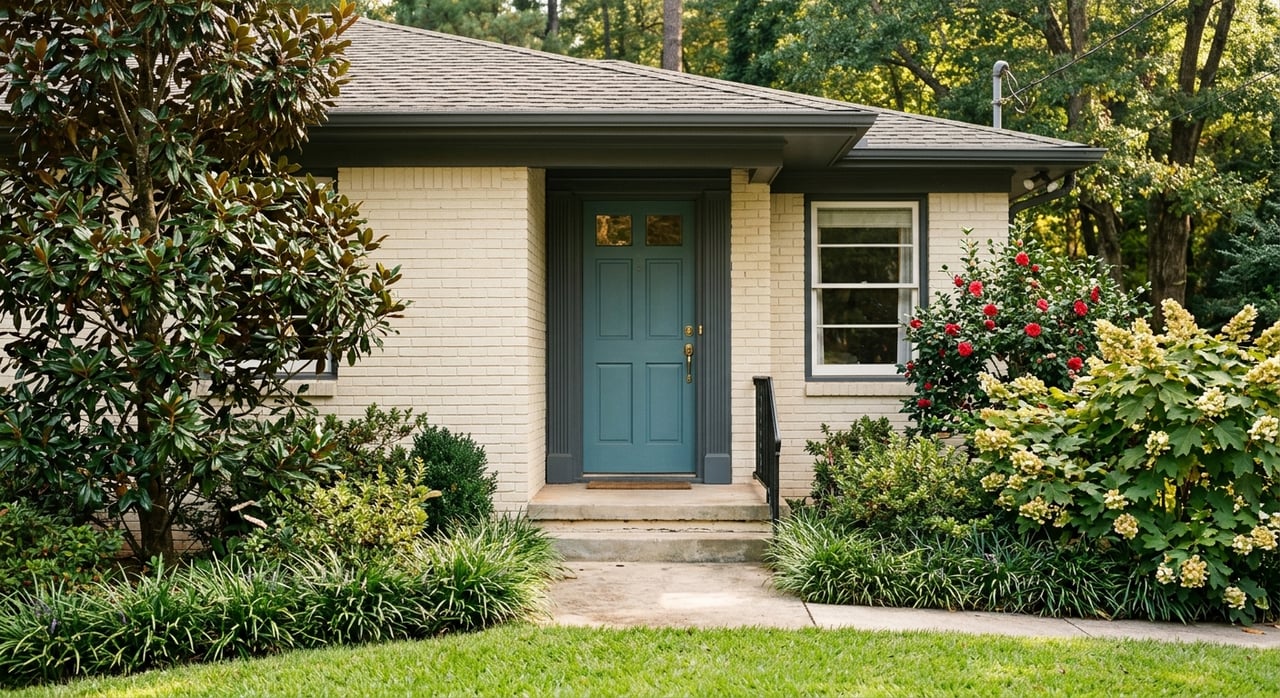
Many houses in the neighborhood are set back on tree-covered lots and include Ranch, Tudor, Colonial, Craftsman, Split-Level, and some Mid-Century Modern styles. In practical terms, that often means the best long-term homes are not always the biggest or newest. They are the ones with solid bones, adaptable layouts, and room to improve without losing the feel of the block.
Buy for Flexibility First
When you are looking at a starter house, it helps to think beyond what works on move-in day. A home that feels a little modest now can serve you much longer if the layout can shift with your needs over time. That is often more valuable than flashy finishes.
A flexible room is one of the smartest features to prioritize. Guidance on age-friendly remodeling favors spaces like a den or office that can later function as a bedroom, along with a full bath on the main entry level. Even if you do not need that setup today, it gives you options later without forcing a major redesign.
You should also pay attention to circulation and door openings. Planning ahead for possible wider access later is easier when walls, plumbing, and wiring are not tightly packed around every opening. That kind of foresight is subtle, but it can make a home far more usable over time.
Look for Rooms That Can Change Roles
The most useful starter homes usually include at least one space that is not locked into a single purpose. A bonus room, den, office, or formal dining room may become much more important later than a trendy tile choice in a bathroom.
As you tour homes, ask yourself a few practical questions:
- Could this office become a bedroom later?
- Is there a full bath on the main level, or room to create one?
- Does the layout allow for better storage without stealing needed living space?
- Could the home support future reconfiguration without a complete rebuild?
Those questions can help you spot a house with true long-term potential.
Plan Access Into the House Early
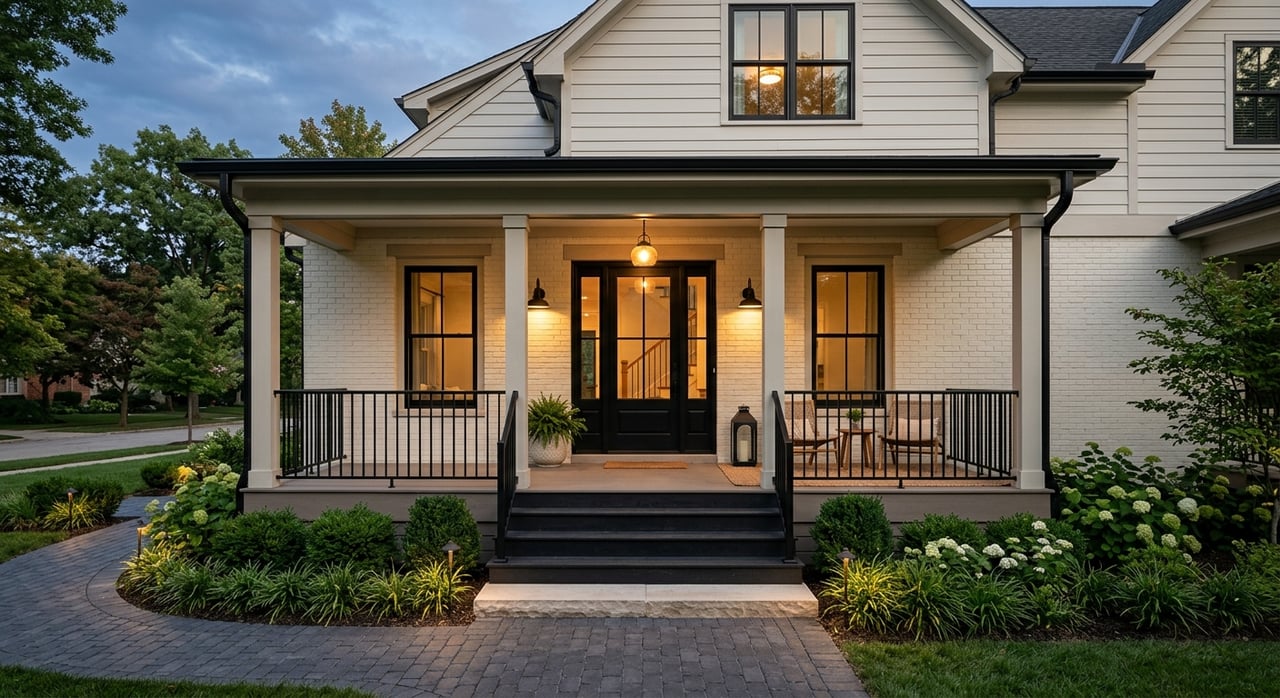
One of the clearest long-term design wins is a zero-step entry. AARP guidance recommends at least one zero-step exterior doorway, and that does not have to be the front door. If the front entry is harder to change, a side, back, or garage entry can still provide a practical solution.
This matters because access is easiest and most affordable to solve when you plan for it early. Even if you are years away from needing it, identifying where that step-free path could go is part of smart buying. It is the kind of quiet feature that adds convenience now and flexibility later.
Small details matter too. Wider doorframes, lever handles, stronger lighting, paddle-style switches, and handrails on both sides of stairs can make everyday use easier without changing the character of the home. In older North Hills houses, these updates can often be phased in as part of larger renovation work.
Start With the Shell and Systems
It is easy to fall in love with cosmetic upgrades, but older homes usually reward a more disciplined first phase. The smartest early work often happens behind the walls or around the exterior envelope. It may not be glamorous, but it tends to improve comfort, durability, and long-term value.
The U.S. Department of Energy says air sealing can reduce heating and cooling costs, improve durability, increase comfort, and support a healthier indoor environment. It also notes that caulking and weatherstripping can have a payback period of about a year or less. In an older North Hills house, that makes envelope work a strong candidate for phase one or two.
DOE also notes that low-e storm windows can save 12% to 33% on heating and cooling costs, depending on the existing windows. If you are buying a home built well before modern efficiency standards, that kind of improvement can have a noticeable day-to-day impact. Before you choose new counters or lighting, make sure the house is performing well.
Phase One Priorities
A sensible improvement sequence often looks like this:
- Safety and systems: roof, HVAC, plumbing, electrical, leaks, and basic envelope fixes.
- Comfort and efficiency: air sealing, insulation, weatherstripping, window and door improvements, and lighting.
- Function: kitchen and bath updates, better storage, improved circulation, and room reconfiguration.
- Expansion: additions, second-floor work, garage conversion, dormers, sunrooms, or an ADU.
That order helps you avoid putting expensive finishes on top of unresolved core issues.
Choose Updates That Improve Daily Life
Once the house is stable and efficient, function becomes the next priority. This is where a starter home begins to feel like it truly belongs to you. The goal is not to do everything at once. It is to make the layout work harder and more gracefully.
AARP’s age-friendly remodeling guidance highlights changes such as a first-floor bathroom with enough usable space, curbless or low-threshold showers, accessible sink clearances, and storage that avoids awkward reaching or twisting. These choices are not only about future needs. They also tend to make a home feel easier and calmer to live in now.
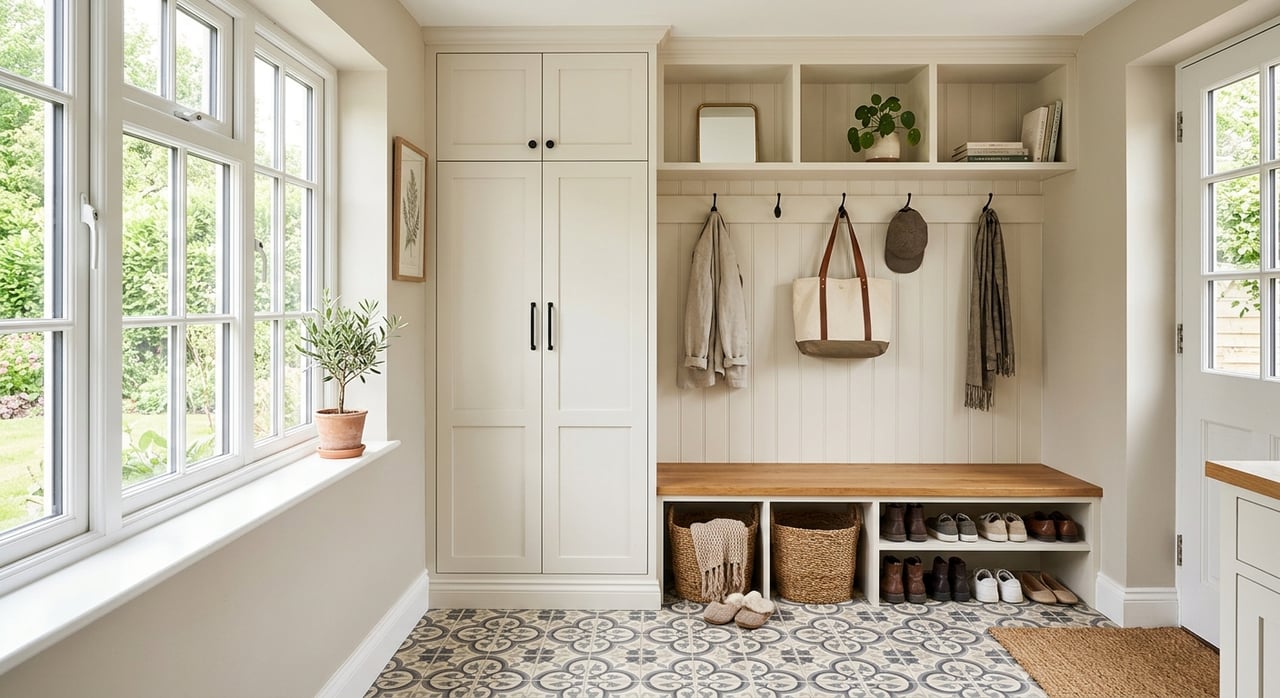
Storage is another major quality-of-life upgrade. According to the 2025 Remodeling Impact Report from NAR, closet renovation had an 83% cost recovery, while a new steel front door reached 100% and a new fiberglass front door reached 80%. Those numbers support a simple point: practical, visible improvements often matter as much as splashy remodeling.
The Best Value Is Often in the Basics
For many North Hills homes, the highest-impact updates are surprisingly straightforward:
- Rework the entry so it feels cleaner and more functional
- Improve storage before expanding square footage
- Update paint and lighting for a more cohesive feel
- Address roofing and exterior elements early
- Refresh kitchens and baths only after the layout makes sense
This is where a design-forward, construction-aware strategy matters most. You want improvements that support the way you live while still respecting the house itself.
Know North Hills Rules Before You Design
In North Hills, future renovation potential is not just about budget or imagination. Local rules can shape what is possible. Some properties are subject to Raleigh’s Neighborhood Conservation Overlay District, or NCOD, standards, which can regulate lot size, frontage, setbacks, parking, building height, and building placement.
Raleigh also strongly encourages owners to verify residential infill status before filing permits, because infill rules can change setback, side-wall-height, and building-height standards. If you are considering an addition, a second floor, a garage enclosure, or other exterior change, this is worth checking before you get attached to a design.
Raleigh also notes that many projects need permits even when full plans are not required. Examples include moving walls, renovating rooms, roofing, siding, windows, doors, circuits, outlets, switches, lights, HVAC replacement, and driveways. Projects that add new space or convert non-conditioned space into conditioned space usually require plans.
Permits Matter More Than You Think
A good long-term house is often one whose lot and structure can support future change. But in North Hills, that potential should always be tested against local requirements early. It is far better to confirm what is allowed before finalizing scope, budget, and timeline.
This is one of the biggest reasons buyers benefit from guidance that blends real estate, design, and construction thinking. The right house is not just the one that photographs well today. It is the one that can evolve with fewer surprises.
Consider an ADU for Long-Term Flexibility
Raleigh allows accessory dwelling units in several forms, including detached, attached, internal, above-garage, and basement configurations. The city specifically notes that ADUs can help aging homeowners move into a smaller, more accessible home on the same lot while keeping the larger house for family or renters.
Not every North Hills property will be the right fit, and local rules still need to be verified. Still, for some buyers, this creates another path for long-term planning. A home that feels like a starter today may eventually support multigenerational use, guest space, or a different living arrangement without leaving the neighborhood.
Think in Phases, Not Perfection
One of the biggest mistakes buyers make is assuming a long-term home has to be perfect on day one. In North Hills, that mindset can cause you to overlook houses with excellent potential. Given the neighborhood’s age profile and evolving context, a phased plan is often the smarter move.
Buy for the bones, the lot, and the location. Then improve the shell, sharpen the layout, and expand only if and when the house proves it makes sense. That approach protects your budget and helps you make changes that feel intentional rather than reactive.
For sellers, this same logic applies in reverse. NAR reporting shows that agents commonly recommend painting, roof replacement, and staging-related steps like decluttering, cleaning, and curb appeal improvements before listing. If you already own in North Hills and are deciding whether to renovate or sell, the right sequence can improve both your experience and your outcome.
When you want a house to carry you forward, every choice matters a little more. That is why a measured, inside-out strategy tends to work so well here. If you want help identifying the right North Hills home or planning smart next-step improvements, connect with Angie Murphy for guidance that brings together real estate strategy, design perspective, and construction know-how.
FAQs
What makes a North Hills starter house a good long-term home?
- A strong candidate usually has adaptable living space, a workable lot, solid core systems, and room for phased updates that align with Raleigh’s local rules.
Do North Hills homes in Raleigh often need renovation planning?
- Yes. Since more than 90% of the neighborhood’s homes were built before 1967, many buyers benefit from planning updates in stages, starting with systems, comfort, and layout.
What renovations usually come first in a North Hills house?
- The most practical first phase is often roof, HVAC, plumbing, electrical, leak repair, and basic air sealing before cosmetic projects.
Do North Hills additions or exterior changes require Raleigh review?
- Often, yes. Raleigh notes that many projects need permits, and additions or footprint changes may also require plan review, infill checks, or compliance with NCOD standards.
Can a North Hills property include an ADU?
- Raleigh allows ADUs in several forms, but whether one works on a specific property depends on local requirements and site conditions that should be verified early.
Which updates help both daily living and resale in an older Raleigh home?
- Storage improvements, entry upgrades, paint, lighting, roofing, and functional kitchen or bath improvements can support everyday use while also strengthening future market appeal.