If you love the idea of an established North Raleigh neighborhood but want the freedom to make a home your own over time, North Ridge is worth a close look. The area offers character, larger lots, and a mix of home styles, but renovation potential is never just about paint colors and floor plans. If you are buying with future updates in mind, understanding the lot, the house, and Raleigh’s rules can help you avoid expensive surprises and make smarter decisions from the start. Let’s dive in.
Why North Ridge Appeals to Renovation-Minded Buyers
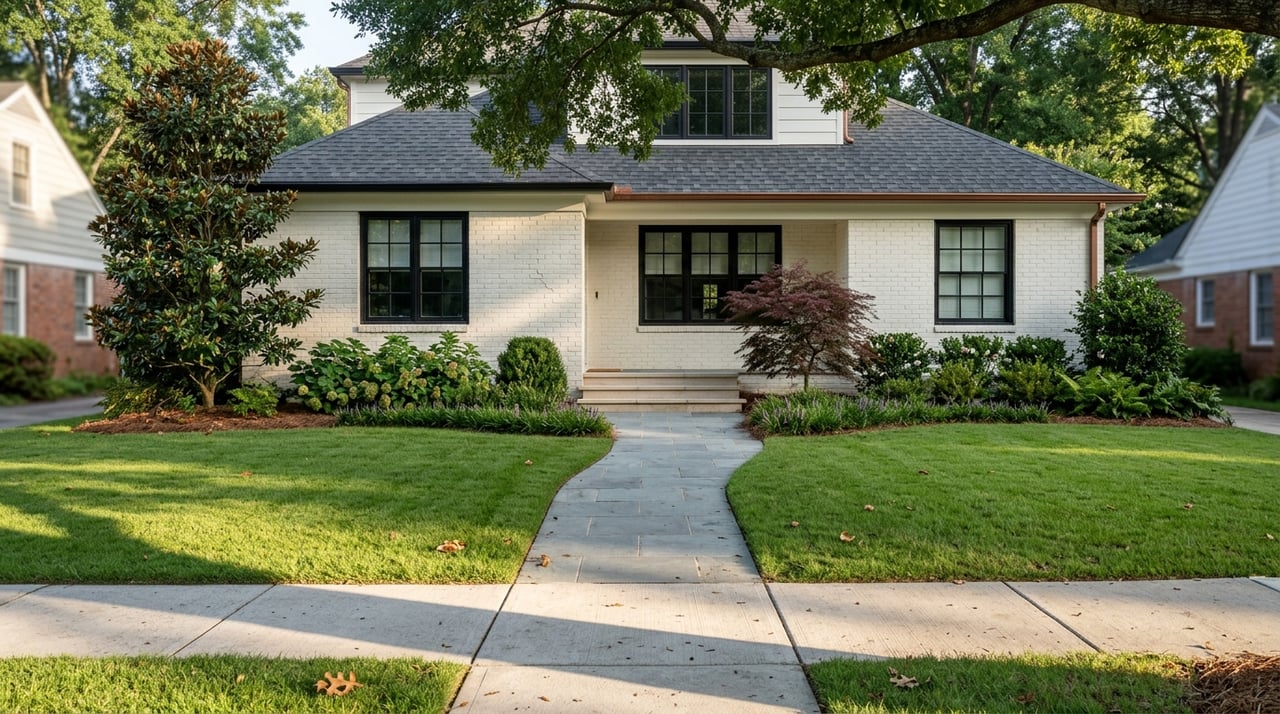
North Ridge is an established country-club neighborhood in North Raleigh with roots dating back to the 1970s. It developed across rolling acreage between the Beltline and I-540, and the housing mix includes ranch homes, arts-and-crafts styles, two-story houses, later custom builds, and homes that have already seen major renovations.
That variety is a big reason buyers are drawn here. You are not looking at a one-size-fits-all subdivision. Instead, you may find homes with strong bones, larger footprints, mature landscaping, and room to tailor the property to your long-term needs.
Start With the Lot, Not Just the House
When buyers picture a future renovation, they often focus on kitchens, baths, or opening up living spaces. In North Ridge, the lot can be just as important as the house itself because site constraints can shape what is realistic outdoors and inside.
The broader North Ridge area does not have one single overarching HOA, though some condos and smaller subdivisions within North Ridge do have their own HOAs. That means you should review each property individually before assuming an addition, exterior update, fence, or landscape project will be simple.
For many buyers, this is where early due diligence pays off. A beautiful backyard may look ready for a pool, patio expansion, or screened porch, but easements, tree protections, or review requirements can change the picture quickly.
Know What Raleigh May Regulate
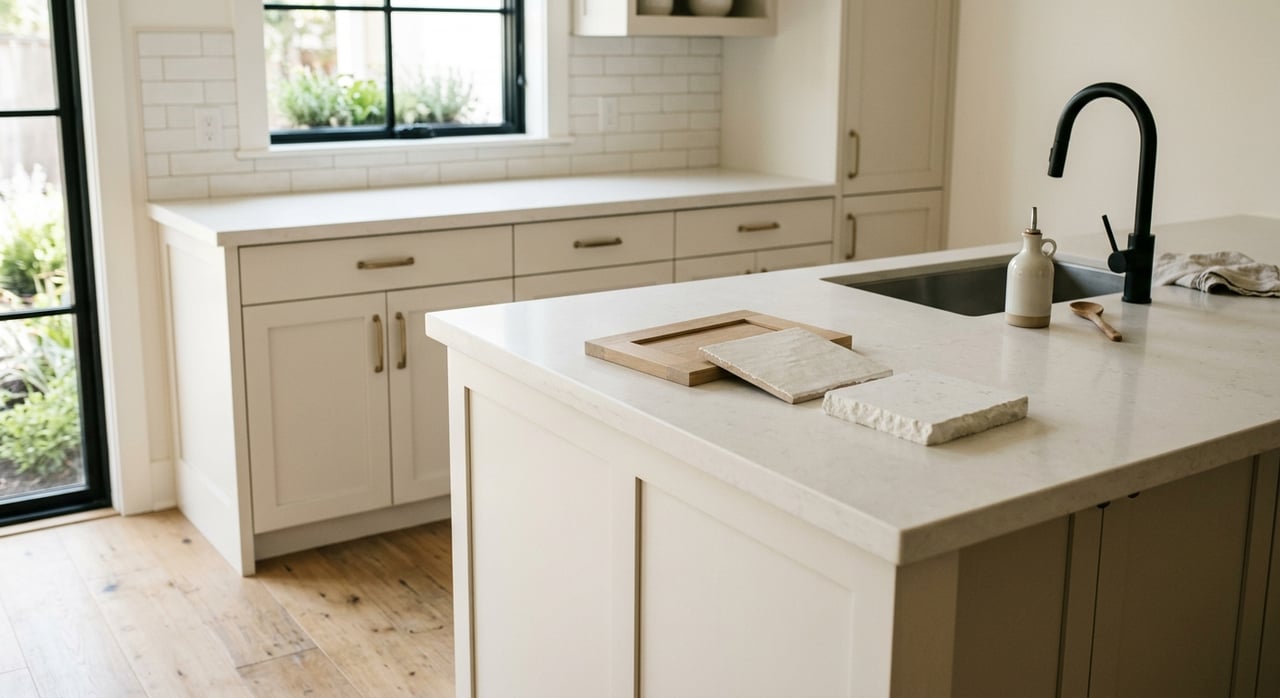
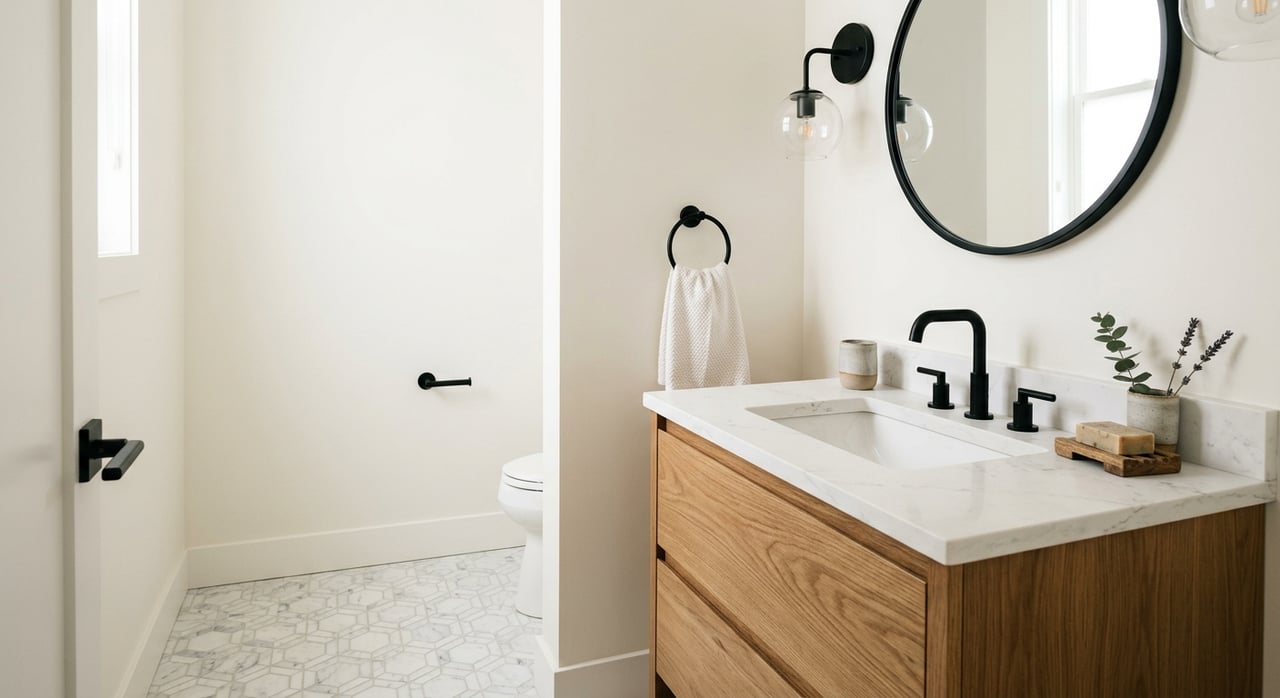
In Raleigh, many renovation projects that buyers think of as routine fall into the residential permit process. That includes moving walls, kitchen and bathroom renovations, siding, windows, doors, roofing, electrical work, HVAC replacement, generators, and driveway work.
This matters because a future renovation budget is not only about materials and labor. It is also shaped by code compliance, permitting, inspections, and whether the existing home can support what you want to do.
If you are considering a major addition, rebuild, or custom redesign on an existing lot, parcel-specific zoning and infill rules also matter. Raleigh notes that some lots may be subject to residential infill compatibility standards that affect setbacks, side-wall height, and building height.
Structural Questions to Ask Early
A charming older home can be a great canvas, but the best renovation plans begin with a realistic look at structure. North Carolina defines a home inspection as a written, noninvasive evaluation of residential components such as structural elements, foundation, roof, plumbing, electrical, masonry, and interior and exterior features.
That general inspection is an important first step, but it may not answer every renovation question. If you are hoping to remove walls, rework the kitchen layout, or change room flow, the key issue is whether those changes can happen without creating structural problems.
State guidance encourages follow-up with private consultants such as an architect, engineer, contractor, or licensed home inspector when deeper evaluation is needed. If a home shows signs of movement, moisture issues, or a questionable prior alteration, getting more targeted insight can protect both your budget and your timeline.
Look Closely at the Home’s Systems
In many older homes, renovation costs climb when hidden systems are outdated or near the end of their useful life. Raleigh’s permit guidance specifically includes electrical service upgrades, adding circuits or outlets, HVAC replacement, water-heater replacement, and fuel-piping changes.
For you as a buyer, that means it is smart to ask whether the electrical panel, plumbing, HVAC, and utility runs can support your future plans. A cosmetic remodel may stay manageable, but once walls are opened, system upgrades often become part of the conversation.
This does not mean older homes are a bad choice. It simply means the most successful purchases usually come from looking beyond surface finishes and understanding what is behind them.
Moisture, Drainage, and Rolling Terrain Matter
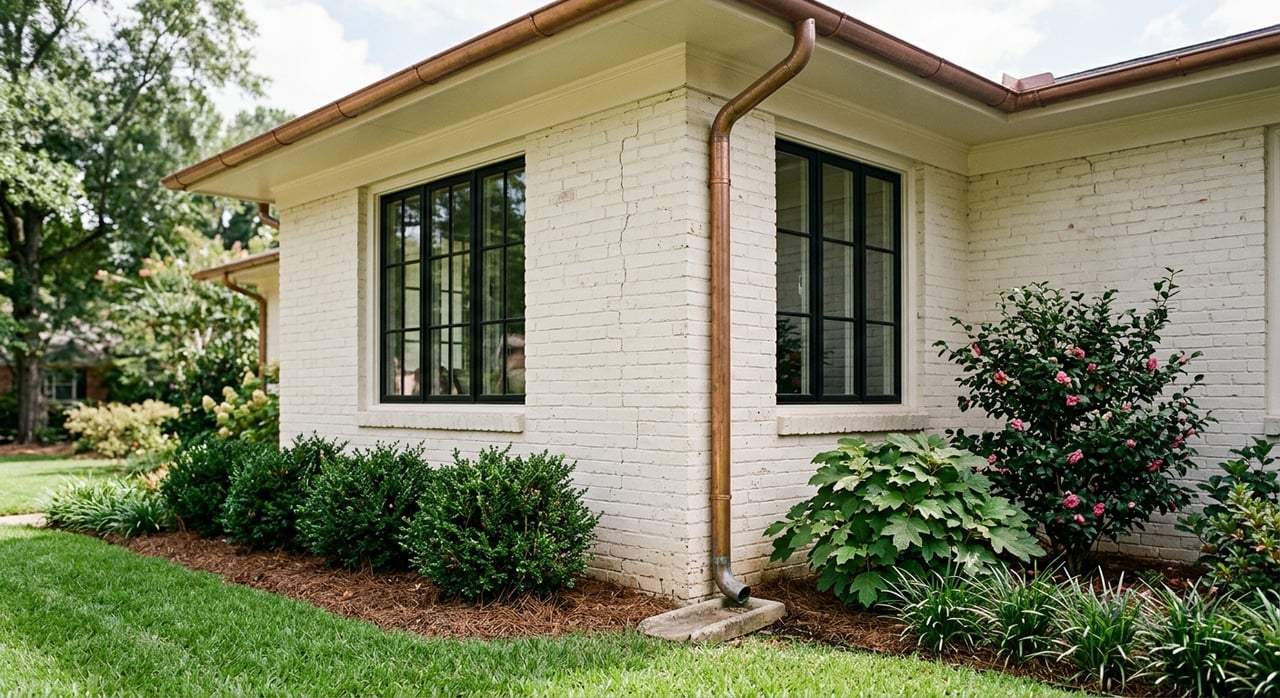
North Ridge’s mature landscaping and rolling topography are part of its appeal. They also make drainage and moisture issues worth a closer look, especially if you are planning to invest in improvements over time.
The City of Raleigh has documented stormwater concerns in western North Ridge near the North Ridge Country Club Lake, including flooding history that led to public meetings and drainage improvements. That does not mean every property is affected, but it does make site-specific review important.
If a lot has grading challenges, standing water, or drainage patterns that are not obvious during a quick showing, those issues can affect additions, crawlspace conditions, hardscaping, and long-term maintenance. In a neighborhood like this, the landscape should be treated as part of the renovation plan.
Outdoor Projects Need More Review Than You Think
Buyers often picture future outdoor upgrades as easy wins. In reality, patios, fences, sheds, pools, and other backyard improvements can be shaped by drainage easements, tree conservation areas, and permit requirements.
Raleigh states that most residential drainage easements are private and are typically maintained by the owner, HOA, or another recorded governing body. The city also prohibits walls and fences within required drainage easements without approval and does not allow walls or fences in tree conservation areas.
Tree rules matter too, especially in a mature neighborhood with significant canopy. Raleigh notes that a tree impact permit is needed for work on or near a city tree, so improvements like patios, fences, and pool-related hardscape should be reviewed alongside survey and site information before design decisions are made.
For fences specifically, Raleigh requires a zoning permit for installation. Permitting is also required when more than 50% of an existing fence is replaced or when the material, height, or location changes.
If a pool is part of your long-term plan, know that Raleigh’s requirements include barrier and electrical safety standards, including a 48-inch barrier standard. These are the kinds of details that can change both cost and layout.
A Smart Due-Diligence Checklist
If you are buying a North Ridge home with renovation in mind, keep your due diligence focused on the parts of the property that will shape future flexibility.
Here are a few key items to review before closing:
- Ask for permit history and final inspection records for any prior remodel, addition, roof work, HVAC replacement, electrical upgrade, or foundation repair.
- Confirm whether the lot includes a private drainage easement, utility easement, or tree conservation area.
- Verify whether the parcel is subject to HOA review, architectural controls, or infill-related development standards.
- Pay attention to inspection findings tied to movement, moisture, drainage, or wall-removal possibilities.
- If bigger concerns come up, bring in a licensed architect or engineer for deeper evaluation instead of relying only on a general inspection.
How to Buy With a Long-Term Plan
The best renovation-minded purchases usually are not the flashiest homes on day one. They are the homes where character, lot conditions, and structural reality line up with your goals and your comfort level for future work.
In North Ridge, that could mean buying a well-located ranch with a layout you plan to refine over time. It could also mean choosing a home that already has some updates completed, as long as the permit history and workmanship support the value.
A design-forward buying strategy is not about finding a perfect house. It is about finding a property where the next steps make sense, both emotionally and financially.
Why Local Guidance Makes a Difference
Buying with future renovation in mind requires more than a good eye. You need someone who can help you evaluate layout potential, spot likely constraints, and understand when a simple idea may trigger larger structural or permitting questions.
That is especially true in a neighborhood like North Ridge, where no two opportunities feel exactly the same. One lot may offer clear expansion potential, while the next may come with easement, drainage, or tree-related limits that are easy to miss during a typical home search.
When you approach the process with both market knowledge and construction-minded due diligence, you give yourself more clarity and fewer surprises after closing.
If you are considering North Ridge and want a strategic, design-aware perspective on which homes are worth pursuing, Angie Murphy can help you buy with the future in mind.
FAQs
What makes North Ridge a good fit for buyers who want to renovate?
- North Ridge offers an established setting, a mix of home styles, larger lots, and many homes from earlier decades that may offer room for thoughtful updates or long-term customization.
What should buyers in North Ridge check before planning an addition or outdoor project?
- Buyers should review parcel-specific easements, tree conservation areas, possible HOA or architectural controls, and any Raleigh zoning or infill standards that could affect setbacks, height, fences, patios, pools, or additions.
Does Raleigh require permits for common home renovation projects?
- Yes. Raleigh’s residential permit process can apply to moving walls, kitchen and bath renovations, windows, doors, roofing, electrical work, HVAC replacement, generators, driveways, and other common upgrades.
Why do drainage and moisture matter when buying in North Ridge?
- North Ridge’s rolling terrain and mature landscaping can hide grading or water-management issues, and Raleigh has documented stormwater concerns in parts of western North Ridge, so site-specific review is important.
Is a general home inspection enough for a renovation-minded buyer in North Ridge?
- Not always. A general inspection is a strong starting point, but if concerns come up around structure, movement, moisture, or wall removal, a licensed architect or engineer may be the better next step for deeper evaluation.