Thinking about a major addition or whole-home rework in North Hills? The exciting part is easy to picture. The tricky part is making sure your plans fit the property, the street, and the local approval process before construction begins. If you want fewer surprises, better decisions, and a clearer path from idea to execution, start with the framework that matters most here. Let’s dive in.
Why North Hills projects need a plan
In Winston-Salem, North Hills has a visible neighborhood identity in city records. The city has highlighted neighborhood appearance efforts there, including a Community Roots Day event where about 230 trees were planted, and its Urban Forestry program places value on tree canopy as part of the public realm.
That matters if you are planning a major update or addition. Street-facing changes, exterior scale, and landscaping choices should be considered in the context of the existing streetscape, not as isolated decisions. A project can be highly personal and still feel well matched to the home and lot.
Start with scope, not finishes
Before you fall in love with tile, lighting, or cabinet colors, define the actual scope of work. Is this an interior reconfiguration, a kitchen overhaul, a new addition, or something closer to a rebuild? That decision affects your timeline, your permit path, and the professionals you may need to involve.
In Winston-Salem, single-family permits for new construction, alterations, and additions are handled as electronic plan-review projects through GeoCivix. In other words, permitting is not the last box you check. It should shape the project from the beginning.
If your plans shift into a full new single-family build, the city also requires an Energy Efficiency Certificate for the permit. That is another reason to understand the true scope early, before drawings are finalized and expectations are set.
Why early scope saves time
Many delays happen because a project looks simple on paper but affects something bigger behind the walls or outside the house. A layout change may involve structure, utilities, drainage, or site work that needs additional review.
If you will be living in the home during construction, this is also the time to plan for sequencing and contingency. Decide what gets demolished first, what must stay functional, and which choices are cosmetic versus structural. That kind of clarity protects both your budget and your sanity.
Confirm zoning before design is locked
One of the first local checks should be your property’s zoning district. Winston-Salem has multiple residential zoning districts, and practical questions like setback, height, and lot use are parcel-specific.
That means a design that works beautifully in concept may still need adjustment based on the lot. Confirming zoning early helps you avoid redesign costs later and keeps your team focused on solutions that are realistic for the property.
Check deed restrictions and HOA rules
City approval is only one part of the picture. You should also review any deed restrictions and check whether an HOA applies to your property.
The city notes that HOAs are generally governed by deed restrictions that may cover construction regulations, dues, and other rules. It also distinguishes HOAs from neighborhood associations, which are voluntary civic groups and can serve as a forum for local coordination and input.
If you are not sure what applies, it is wise to verify that before your plans are finalized. It is much easier to revise drawings early than to unwind expectations later.
Don’t overlook site work
Major projects often involve more than walls and windows. Site conditions can change the process quickly, especially if your work affects the public right-of-way, grading, or trees.
Winston-Salem requires an excavation permit for work that encroaches on the public right-of-way. At the same time, the city says single-family homes are not required to obtain a driveway permit. That distinction can be helpful if your project changes access or front-yard work.
For larger grading, erosion control may come into play. The city states that no person may begin land-disturbing activity exceeding 20,000 square feet for a single-family dwelling until the required erosion and sedimentation control paperwork has been completed and approved.
Trees also deserve attention early in the process. If your project touches street trees or planting in the right-of-way, Winston-Salem’s Urban Forestry program is part of the conversation, and the city’s infrastructure standards require a permit before planting a tree in the right-of-way.
Bring in the right professionals early
Large projects benefit from coordinated planning, especially when structure, circulation, or the exterior envelope may change. In North Carolina, a licensed general contractor is required if the project is valued at $40,000 or more, and the state licensing board encourages consumers to verify that license before hiring.
For projects that materially change how the home works or looks, a licensed design professional can also add real value. The North Carolina Board of Architecture and Registered Interior Designers describes its role as protecting life, health, property, and welfare, which supports getting qualified help involved before decisions are locked in.
This is not just about compliance. It is about reducing rework, protecting the home, and creating a result that feels cohesive instead of pieced together.
Think about the street view
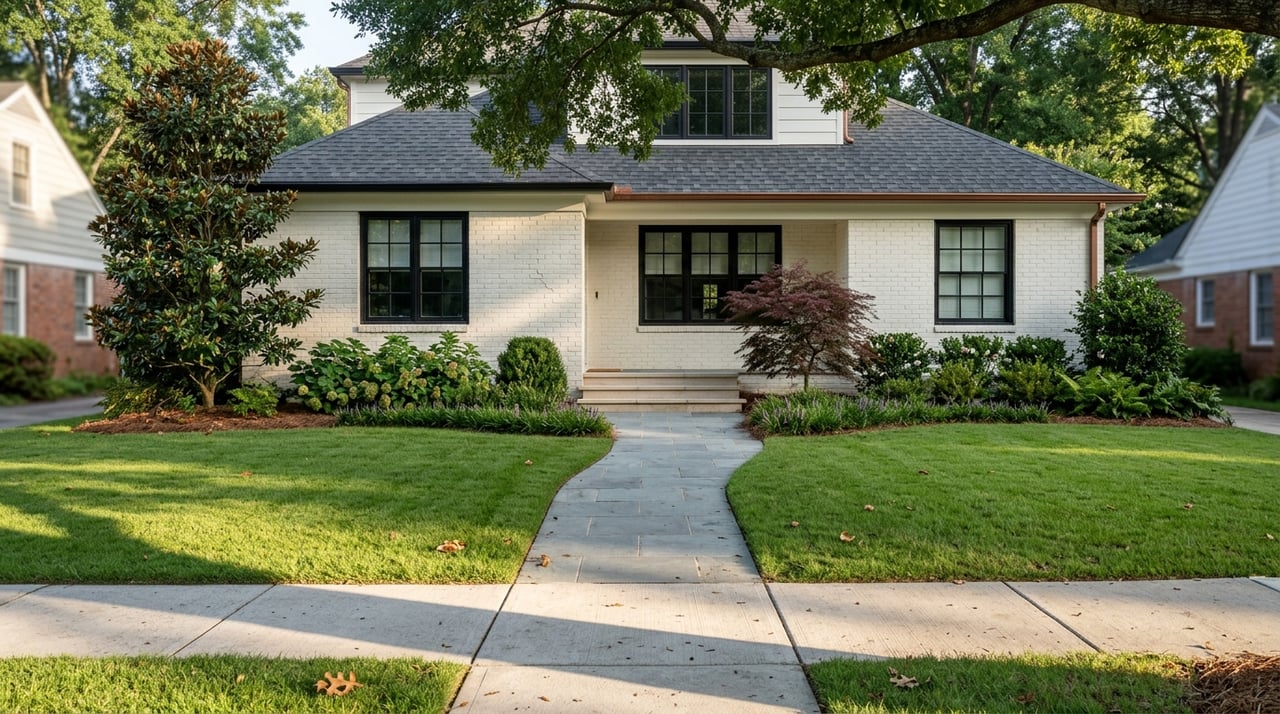
If your addition or exterior rework will be highly visible, it is smart to think beyond the floor plan. How the home meets the street matters, especially in a neighborhood where public appearance and tree canopy have been part of the city’s focus.
A good rule of thumb is restraint and coherence. Additions that respect the home’s scale, preserve mature trees when possible, and feel visually consistent from the street are more likely to age well than changes that feel oversized or disconnected.
That does not mean every update has to be conservative. It means the strongest projects usually feel intentional, like they belong to the house and the lot.
When nearby communication helps
If your project is highly visible or likely to affect shared neighborhood concerns, early communication can be useful. The city’s guidance on neighborhood associations notes that these groups can provide a venue for officials, developers, and others to solicit input from residents in a defined area.
The city also recommends checking with the Planning Department to confirm whether established neighborhood boundaries already exist. You may not need broad outreach for every project, but for major exterior work, a little communication early can reduce friction later.
Protect future resale while you plan
Even if this is your forever-home project, it is smart to keep resale in view. The safest approach is usually not the biggest or flashiest change. It is the one that improves function, respects the property, and feels aligned with the home’s original scale and setting.
In practical terms, that means keeping records organized and making sure major work follows the city’s process. Buyers should request copies of permits, approved plans, or other records showing that a major addition or alteration went through Winston-Salem’s GeoCivix process.
Good documentation supports confidence. So does a finished result that feels thoughtful from both inside and out.
A simple planning checklist
Before you move into drawings and pricing, use this checklist to ground the project:
- Define whether the work is an alteration, addition, or rebuild
- Confirm the property’s zoning district
- Review deed restrictions and HOA requirements, if any
- Check whether the project affects right-of-way, grading, drainage, or trees
- Determine whether erosion control review may apply
- Verify whether a licensed general contractor is required
- Bring in design and construction guidance before finalizing plans
- Keep permits, plans, and approvals organized for future resale
A major update can absolutely improve how your home lives day to day. The key is treating design, approvals, and site realities as one coordinated process.
If you are weighing what to change, what to keep, and how to make smart decisions with long-term value in mind, Angie Murphy brings a builder-and-designer perspective to help you plan with clarity.
FAQs
What is the first step for planning a major home update in North Hills?
- Start by defining the project scope, then confirm the property’s zoning district before finalizing the design.
Do major additions in North Hills require permits?
- Yes. In Winston-Salem, major residential work is permit-driven, and single-family new construction, alterations, and additions go through electronic plan review in GeoCivix.
Do single-family homes in Winston-Salem need a driveway permit?
- No, the city says single-family homes are not required to obtain a driveway permit, though excavation in the public right-of-way still requires a permit.
When is a licensed general contractor required in North Carolina?
- North Carolina requires a licensed general contractor when the project value is $40,000 or more.
What should homeowners check besides city permits for a North Hills project?
- You should also review deed restrictions, confirm whether an HOA applies, and check for site issues involving right-of-way work, erosion control, or trees.
What should buyers ask for if a North Hills home had a major addition?
- Buyers should request copies of permits, approved plans, or other records showing the work went through the city’s review process.