What if your home made everyday life feel easier, calmer, and a little more connected? If you are drawn to Downtown Cary, chances are you are not just looking for square footage. You are looking for a routine you can enjoy on foot, with coffee, green space, local events, and daily essentials woven into the week. This guide will help you think through what a walkable life really looks like in 27511 and how to search for a home that supports it. Let’s dive in.
Why Downtown Cary Works on Foot
Downtown Cary is not walkable by accident. The Town frames it as a vibrant, sustainable, historic, walkable urban space, with an active mixed-use environment at its core. Planning for the area centers on connected streets, sidewalks, ground-floor retail and dining, and homes placed close enough to support daily life on foot.
That matters when you are deciding where to live. In many places, “walkable” means a few nice sidewalks but a routine that still depends on driving. In Downtown Cary, the most walkable pattern is concentrated in the core, especially around the district’s connected public spaces and commercial streets.
The Core Is Where Routine Happens
The downtown district has defined borders as a Business Improvement District, which helps clarify where the most convenient daily rhythm tends to happen. Chatham Street is identified as the main commercial corridor, with retail, dining, and office uses arranged to keep activity close together.
For you as a buyer, that means proximity matters. A home a few blocks closer to the heart of downtown can change how often you actually walk to coffee, events, or the park. The goal is not just being “near downtown” on a map. It is being close enough that walking feels easier than getting in the car.
Everyday Places That Shape Daily Life
A walkable lifestyle works best when the places you use often are easy to reach. Downtown Cary has a cluster of everyday destinations that make the area feel livable, not just entertaining on weekends. That is an important difference if you are planning a move around lifestyle, not just location.
Coffee and Breakfast Nearby
Downtown Cary’s current directory shows several morning options in the district, including BREW Coffee Bar, Esteamed Coffee, and Peck & Plume. Downtown Cary Park also includes Market 317, a grab-and-go café inside Academy Pavilion.
If you picture starting the day with a short walk instead of a drive, this is the kind of detail that matters. Daily rituals often determine whether a neighborhood feels easy to live in. Small conveniences can have a big effect on how connected you feel to a place.
Saturdays at the Farmers Market
The Cary Farmers Market operates on East Park Street next to Downtown Cary Park. That setup makes it easy to fold a Saturday market stop into the rest of your morning, whether that means coffee first, a walk through the park, or errands nearby.
This is one of the clearest signs of a truly usable downtown. When activities are close together, your routine feels lighter. You are not planning a trip across town. You are simply stepping into your neighborhood.
Park Access Changes Everything
Downtown Cary Park spans seven acres in the heart of downtown and includes play structures, public art, food-and-beverage spaces, the Great Lawn and Pavilion, Park Street Courts, and a dog park. The park is open daily from 7 a.m. to 11 p.m., and the Barkyard includes separate spaces for large and small dogs.
For many buyers, park access is what turns walkability from a nice feature into a real lifestyle upgrade. It gives you room for a quick break, an evening stroll, a meetup with friends, or time outside with your dog without planning your whole day around it.
Arts and Evenings Within Reach
Walkability is not only about errands. It is also about how easily you can enjoy your time close to home. Downtown Cary stands out because arts, events, and evening activity are close enough to become part of your normal week.
A Compact Arts District
The Cary Arts Center is downtown’s arts hub, with a 431-seat theater, classes, gallery exhibitions, and studio programs. The Cary Theater adds art-house cinema and live performances, while Cary Art Loop’s Final Fridays Art Crawl creates a recurring monthly arts walk through the district.
That concentration of venues makes a difference. Instead of treating culture as a special outing, you can build it into your routine. A neighborhood feels richer when interesting places are close enough to enjoy spontaneously.
Social Evenings, Still on Foot
The Downtown Cary Park Social District allows beer and wine to be consumed in designated cups within marked boundaries daily from 11 a.m. to 11 p.m. For some residents and visitors, that extends the evening experience and makes downtown feel active after work and into the weekend.
If you enjoy a lively but manageable downtown atmosphere, this adds flexibility. You can meet friends, attend an event, or spend time in the park without constantly moving your car. That kind of ease is part of what many buyers are really after.
What Homes Best Support Walkability
Not every home in 27511 will support the same kind of daily routine. If your goal is a walkable-first lifestyle, the home itself matters less than how it sits on the block, how the streets connect, and how easily you can reach downtown’s core assets.
Official planning guidance for Downtown Cary emphasizes short blocks, connected streets, sidewalks, street trees, short setbacks, front porches near the street, attached housing, multifamily housing, and parking behind buildings. Those design choices tend to support easier walking and a more connected neighborhood feel.
Home Types to Watch For
In practical terms, your search may lean toward:
- Townhomes
- Condos
- Other attached homes
- Smaller-lot infill houses near downtown
- Homes along strong connector streets
These home types often align more closely with downtown’s walkable pattern than isolated large-lot homes farther from the core. The West Chatham Gateway subarea also describes townhomes, garden apartments, and senior housing near downtown with sidewalks along most streets and a well-connected street network.
Design Clues That Matter
When touring homes, look beyond finishes and staging. A beautiful interior can still come with a routine that feels car-dependent. The better question is whether the home supports the way you want to live.
Useful search signals include:
- Sidewalks on the surrounding streets
- A connected street grid
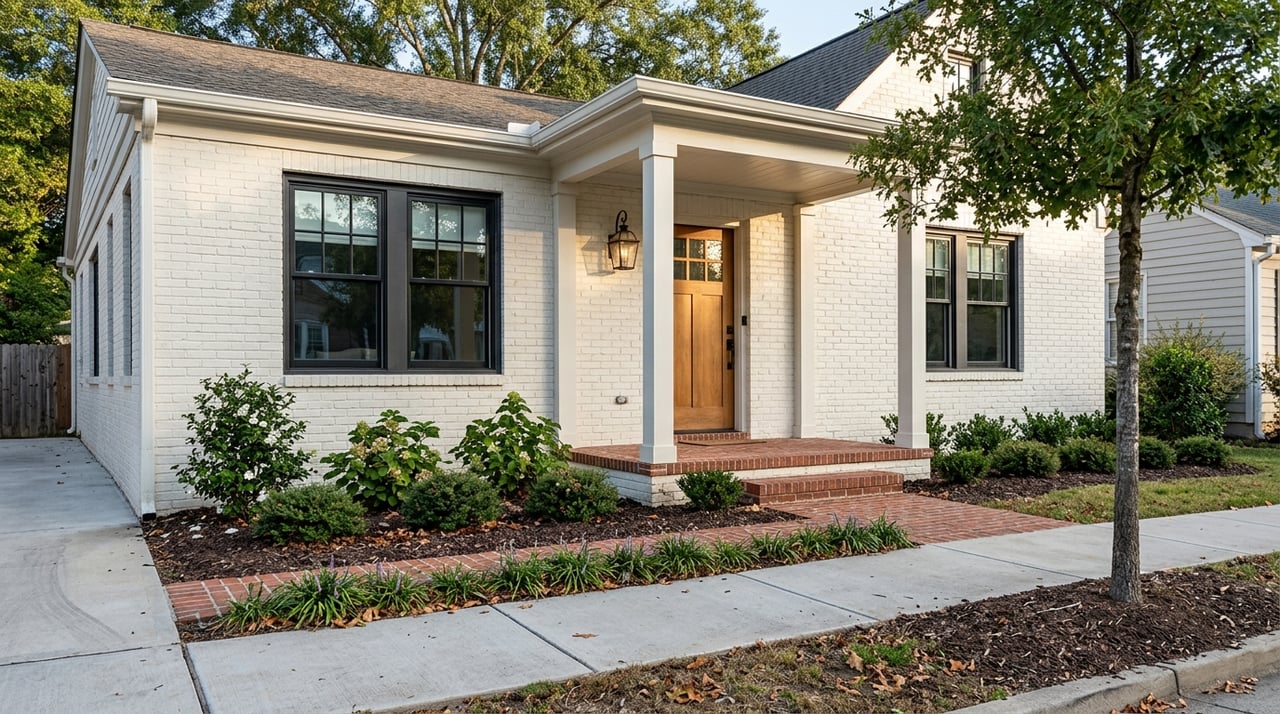
- Front porches near the street
- Short setbacks
- Parking tucked behind buildings
- Easy access to Higgins Greenway or similar connectors
- A location close to the park, arts venues, and market
This is where a design and construction lens can be helpful. A home’s layout is important, but the block pattern and access points often shape day-to-day livability just as much.
Higgins Greenway and Connected Access
One of the strongest connectors in Downtown Cary is Higgins Greenway. It links Downtown Cary Park, Cary Arts Center, and Cary Regional Library through a sidewalk connection. The Town’s 2026 State of Cary also notes that the greenway gap closure improved bicycle and pedestrian access to those same assets.
For buyers, connectors like this can be more valuable than they first appear. They help turn separate destinations into one usable district. Instead of driving from place to place, you can move through downtown in a more natural, continuous way.
A Walkable-First Lifestyle, Not Fully Car-Free
It is important to set the right expectation. Downtown Cary supports a walkable-first lifestyle, but that is not the same thing as saying every need can be handled without a car.
GoCary says fixed routes and Door to Door Tier 1 trips remain fare-free through June 30, 2027. At the same time, the Downtown Loop was suspended beginning July 9, 2026 until further notice, though most downtown stops are still served by other fixed routes.
The practical takeaway is simple. Walking can carry a large part of your daily routine in Downtown Cary, with transit and parking as backup. If your goal is to reduce driving and enjoy a more connected lifestyle, that is very achievable in the right location.
How to Search Smarter in 27511
If you are relocating or simply narrowing your options, it helps to search based on routine rather than only price or square footage. A walkable life is built through small repeated moments. The right home makes those moments easier.
Start by asking yourself what you want within a comfortable walk most often. For many buyers, that list includes coffee, green space, arts venues, the farmers market, and evening activity. Once that is clear, you can evaluate homes based on distance to those places and the quality of the route between them.
Prioritize These Search Criteria
Focus on homes that offer:
- Close proximity to Downtown Cary Park
- Easy access to Chatham Street and the downtown core
- Connected sidewalks or greenway access
- Attached or compact housing types that fit the district pattern
- Street layouts that make walking direct and comfortable
Downtown Cary continues to add residential density, including projects such as Meridian East and Meridian Cary. That ongoing pattern reinforces the area’s walkable structure and gives buyers more ways to live near the core.
The Value of Looking Beyond the Listing Photos
When you are buying into a walkable district, the listing photos only tell part of the story. The real question is how the home fits your life once move-in day is over. Can you walk to your go-to coffee spot, the park, an arts event, or the market without it feeling like a project?
That is where thoughtful guidance matters. A smart home search in Downtown Cary should consider not only style and condition, but also block placement, connector access, and whether the property supports the routine you actually want. The best choice is often the one that feels easier to live in every day, not just the one that looks best online.
If you are considering a move to Downtown Cary and want help finding a home that supports the way you want to live, Angie Murphy can help you evaluate location, layout, and long-term potential with a design-forward, builder-informed perspective.
FAQs
What makes Downtown Cary walkable for daily life?
- Downtown Cary is planned as a walkable mixed-use district with connected streets, sidewalks, nearby dining and retail, Downtown Cary Park, arts venues, and the farmers market concentrated in the core.
What home types fit a walkable Downtown Cary lifestyle?
- Townhomes, condos, attached homes, and smaller-lot infill houses near the downtown core or along strong connector streets often best support a walkable-first routine.
What should buyers look for in Downtown Cary streets and blocks?
- Look for sidewalks, connected streets, short blocks, short setbacks, front porches near the street, parking behind buildings, and easy access to connectors like Higgins Greenway.
Is Downtown Cary fully car-free for residents?
- No. The area is best described as walkable-first, with transit and parking as backup rather than a fully car-free setup for every circumstance.
What destinations should buyers prioritize near a Downtown Cary home?
- Many buyers will want proximity to Downtown Cary Park, Chatham Street, the Cary Farmers Market, Cary Arts Center, The Cary Theater, and connected sidewalk or greenway routes.
How does Higgins Greenway help Downtown Cary residents?
- Higgins Greenway links Downtown Cary Park, Cary Arts Center, and Cary Regional Library, improving bicycle and pedestrian access between key downtown destinations.