Selling a home in North Ridge can feel simple from the outside, but the smoothest sales usually come from smart planning long before you accept an offer. If you are wondering what to fix, how to price, and what to expect once a buyer shows up, you are not alone. The good news is that a well-sequenced approach can help you reduce surprises, protect your time, and present your home with confidence. Let’s dive in.
Start With the Right Selling Strategy
In North Ridge, a successful sale is rarely about doing everything. It is about doing the right things in the right order. That means checking the property condition early, making a short list of high-impact improvements, pricing from local comparable sales, and preparing for North Carolina’s due diligence process.
That sequence matters even more because local market snapshots can look different depending on the source. Recent reporting for North Ridge has described the area as balanced or somewhat competitive, with median days on market ranging from 39 to 43 days and sale-to-list performance near 97 percent. Instead of relying on broad headlines, you are better served by pricing from current North Ridge comps and your home’s specific condition.
Check North Ridge Property Constraints Early
Some parts of North Ridge, especially North Ridge South and North Ridge West, may be subject to Raleigh Neighborhood Conservation Overlay District standards. These standards can affect lot size, frontage, setbacks, height, and density. For a seller, that means it is wise to verify lot-specific limitations before spending money on major exterior work or additions.
If you have completed improvements over time, this is also a good moment to review what has been changed and how it may affect your listing preparation. A construction-savvy approach can help you decide whether an issue should be repaired now, priced into the listing strategy, or clearly disclosed to buyers.
Use a Pre-Listing Inspection to Get Ahead
One of the smartest early steps is a pre-sale inspection. This can help you identify concerns before buyers do, which gives you more control over timing, scope, and budget. It also helps you avoid making rushed decisions once you are under contract.
When you know the home’s trouble spots up front, you can sort them into practical categories:
- Must-fix items that may affect buyer confidence
- Improvements that support value and presentation
- Minor issues that may be better disclosed than repaired
- Bigger projects that are not worth doing before listing
This is where an experienced advisor with design and construction knowledge can make a real difference. You do not want to overspend. You want to focus on improvements that support marketability and reduce friction.
Prioritize High-Impact Improvements
Before listing, not every project deserves your time or money. National seller-prep guidance points to a few improvements that consistently matter most, including painting, selective room refreshes, and roofing where needed. Kitchen upgrades and bathroom renovations also continue to draw attention from buyers, but the best choice depends on your timeline, budget, and the home’s starting condition.
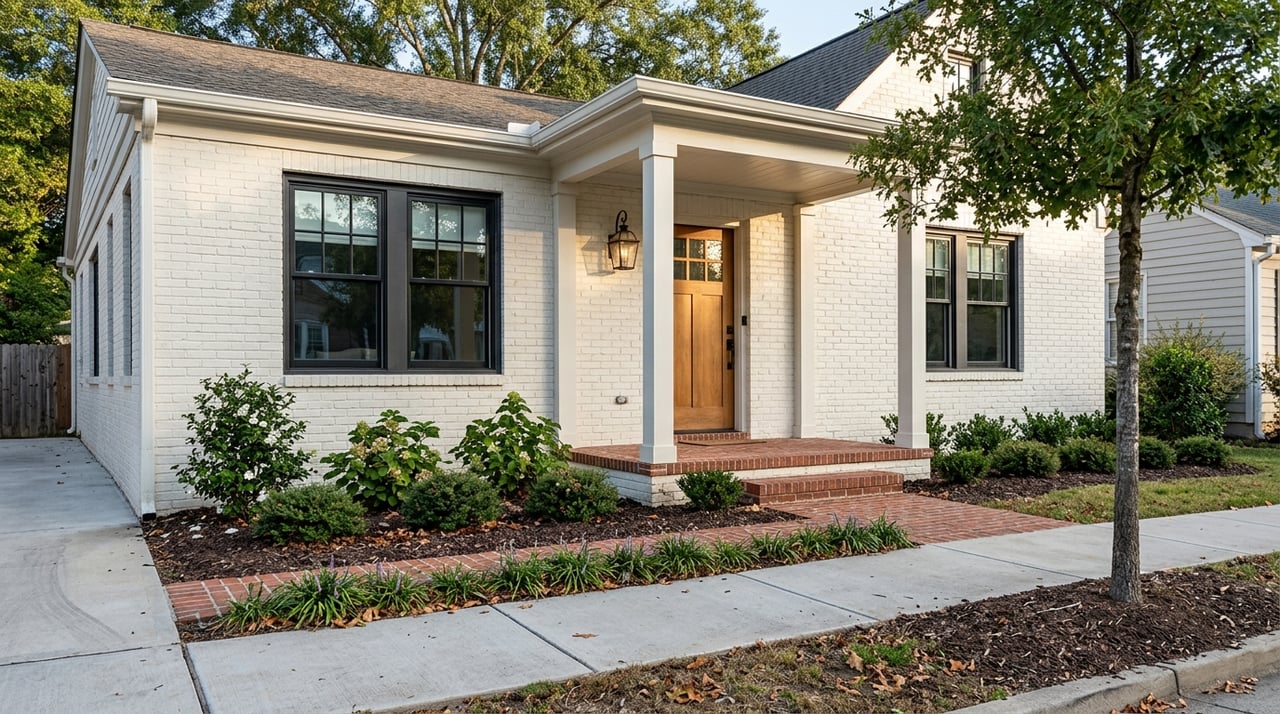
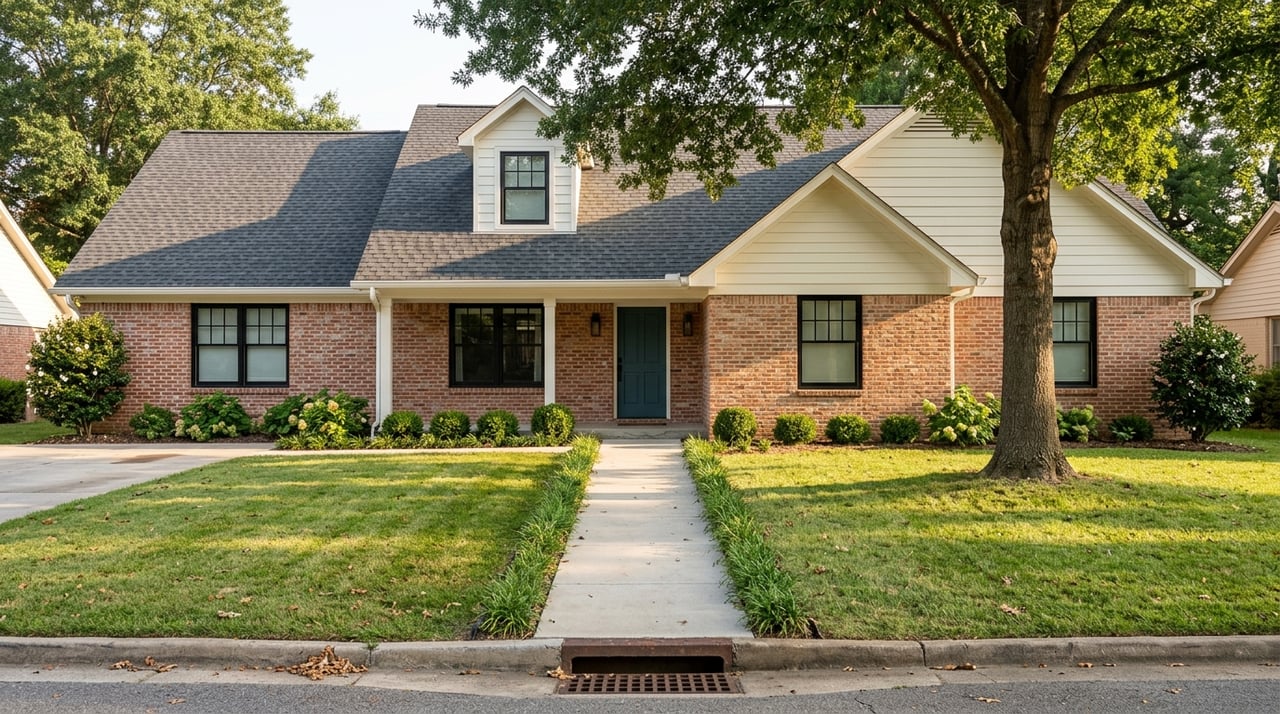
In many North Ridge homes, the goal is not to chase trends. It is to present the property as well-maintained, cohesive, and easy for buyers to understand. Clean paint, updated lighting, repaired deferred maintenance, and a polished exterior often go further than a long renovation list.
A simple prep plan may include:
- Fresh paint in key rooms or throughout the home
- Roofing review if age or visible wear is a concern
- Basic kitchen or bath touch-ups
- Landscape cleanup and curb appeal work
- Small repairs that improve first impressions
Make Staging and Photos Part of the Plan
Staging and listing photography are not extras. They are part of how your home competes online and in person. More than 90 percent of buyers search online, and 85 percent say photos are the most important factor in deciding which homes to visit.
Staging helps buyers picture how a home lives. According to NAR, 83 percent of buyers’ agents say staging makes that easier, and staged homes may sell faster and see stronger offers. In practical terms, that usually means edited rooms, clean surfaces, good lighting, and a layout that makes each space feel clear and functional.
For photos, the basics matter:
- Clean backgrounds
- Bright, natural-looking light
- Minimal clutter
- Accurate, undistorted images
If virtual staging is used and it materially changes the look of the property, it should be disclosed. The goal is simple: create a presentation that is polished, honest, and easy for buyers to connect with.
Price From Local Comps, Not Headlines
Pricing is one of the most important parts of your launch. In a neighborhood like North Ridge, where homes can vary by lot, updates, layout, and micro-location, broad citywide averages only tell part of the story. A strong pricing strategy looks closely at recent comparable sales, active competition, condition, and buyer expectations in your immediate area.
This is especially important because current reports do not all tell the same story. North Ridge snapshots have shown median marketing time around 39 to 43 days, while broader Raleigh data varies by source on pricing trends and pace. That does not make the data useless. It just means your list price should come from your home’s real position in the local market.
Prepare for North Carolina Seller Disclosures
In North Carolina, sellers must provide the revised Residential Property and Owners’ Association Disclosure Statement before any offer is made. The revised form in use since July 1, 2024 includes more detailed flood-related questions. If your property is part of an HOA or owners’ association, related items may also need to be addressed.
It is important to treat disclosure as a serious step, not a formality. North Carolina brokers also have a separate duty to disclose material facts, which is distinct from the seller’s disclosure form. The cleanest path is to gather information early so you can answer carefully and avoid confusion later.
Helpful items to collect before listing include:
- Warranties and manuals
- Repair invoices and replacement estimates
- HOA or owners’ association information, if applicable
- Notes on known defects, updates, or past issues
Launch With Showing Logistics in Mind
Once your home goes live, pricing and presentation start working together. At that stage, your focus shifts to keeping the property easy to show while protecting privacy and maintaining the home’s condition.
A few showing basics can make the process smoother:
- Remove valuables
- Put away personal information
- Secure medications
- Remove or secure weapons
- Keep the home as tour-ready as possible
It can also help to limit showings to pre-qualified or properly identified buyers. That supports both convenience and safety while keeping access manageable.
Understand North Carolina Due Diligence
North Carolina’s due diligence system is one of the biggest differences sellers need to understand early. During the due diligence period, the buyer investigates the property and transaction. That can include inspections, surveys, appraisals, title work, and financing review.
A buyer may terminate during due diligence for any reason or no reason, as long as written notice is delivered before the period ends. The due diligence fee is generally paid to the seller and is usually nonrefundable. Earnest money, on the other hand, may be at risk for the buyer if the due diligence period ends and the buyer then fails to close.
For sellers, this structure shapes negotiation in a few important ways:
- The strongest offer is not always the highest price
- Due diligence timing matters
- Repair requests are negotiable
- Financing is not treated as a separate contingency in the standard form
That is why offer review should go beyond price alone. Terms, timing, risk, and the buyer’s overall position all matter.
Handle Repairs and Negotiations Strategically
After inspections, buyers may ask for repairs, credits, or concessions. In North Carolina, the seller is not required to agree to every request. The best response depends on the issue, the market context, and how the request affects your path to closing.
This is another place where early prep pays off. If you already know the home’s condition, have repair estimates in hand, and understand which issues are cosmetic versus material, you can respond calmly instead of reactively. A measured strategy often keeps negotiations productive and protects your bottom line.
Stay Organized Between Contract and Close
Once you are under contract, the work is not over yet. Buyers have the right to verify agreed repairs and complete a final walk-through. If the due diligence period needs to be extended, that should be put in writing.
A smooth final stretch usually comes from staying organized with:
- Repair invoices and receipts
- Contractor scheduling
- Written documentation of any agreed changes
- A plan for move-out and property handoff
The more clearly each step is documented, the easier it is to avoid last-minute surprises.
Know What Happens at Closing
In North Carolina, residential closings are attorney-supervised. The closing attorney typically handles title review, document preparation, resolving title issues, recordation, and disbursement. The attorney also examines public records related to deeds, mortgages, judgments, liens, tax records, encumbrances, and maps.
For sellers, this means closing has a formal structure that supports the legal and financial handoff. After closing, it is wise to keep your settlement statement and title paperwork for your records. Knowing this process ahead of time helps the final step feel more predictable.
A Smoother North Ridge Sale Comes Down to Sequence
If you want to sell your North Ridge home with less stress, the key is not doing more. It is sequencing the process well. Identify issues early, choose high-value improvements, present the home beautifully, and navigate due diligence and closing with a clear plan.
That is where a builder-and-designer perspective can be especially valuable. When you can weigh repairs, presentation, disclosures, and negotiation through both a market and construction lens, you are better positioned to move from walkthrough to close with confidence. If you are thinking about selling in North Ridge, Angie Murphy can help you create a smart, design-forward plan that supports your timing, your goals, and your bottom line.
FAQs
What should you do before listing a home in North Ridge?
- Start with a pre-listing inspection, review any lot or exterior constraints that may apply, gather documents like warranties and repair records, and make a short list of high-impact updates such as paint, repairs, and curb appeal work.
How long does it take to sell a home in North Ridge?
- Recent market snapshots have shown median days on market in North Ridge around 39 to 43 days, but your timeline will depend on pricing, condition, presentation, and the terms of the offer you accept.
Do North Ridge sellers need to complete disclosures in North Carolina?
- Yes. North Carolina sellers are required to provide the revised Residential Property and Owners’ Association Disclosure Statement before any offer, and the current version includes more detailed flood-related questions.
What is due diligence in a North Carolina home sale?
- Due diligence is the period when the buyer investigates the property and transaction through inspections, appraisal, financing review, surveys, title work, and other checks. The buyer may terminate during that period by written notice before it ends.
Are sellers required to make repairs after inspection in North Carolina?
- No. Repair requests are negotiable, and sellers are not obligated to agree to every request. The right response depends on the issue, the contract terms, and the overall strength of the transaction.
Who handles closing for a home sale in North Carolina?
- North Carolina residential closings are attorney-supervised, and the closing attorney typically handles title review, document preparation, recordation, resolving title issues, and disbursement of funds.